Por qué las piezas de acero inoxidable no quedan brillantes después del tumbado y cómo mejorar el acabado
Un problema común en el tumbado de acero inoxidable es el siguiente: las rebabas se reducen, la superficie se siente más suave, pero las piezas siguen viéndose grises, opacas o sin brillo. El operador extiende el tiempo de ciclo, pero el acabado no se vuelve más brillante. En algunos casos, los bordes comienzan a redondearse mientras la superficie aún no alcanza la apariencia espejada esperada.
Esto generalmente significa que el proceso está realizando algo de trabajo de desbaste, pero no está completando la ruta completa de refinamiento de la superficie. El acero inoxidable necesita la secuencia correcta: eliminar la rugosidad primero, refinar el patrón de rayado, limpiar la superficie y luego usar una etapa adecuada de pulido o bruñido.
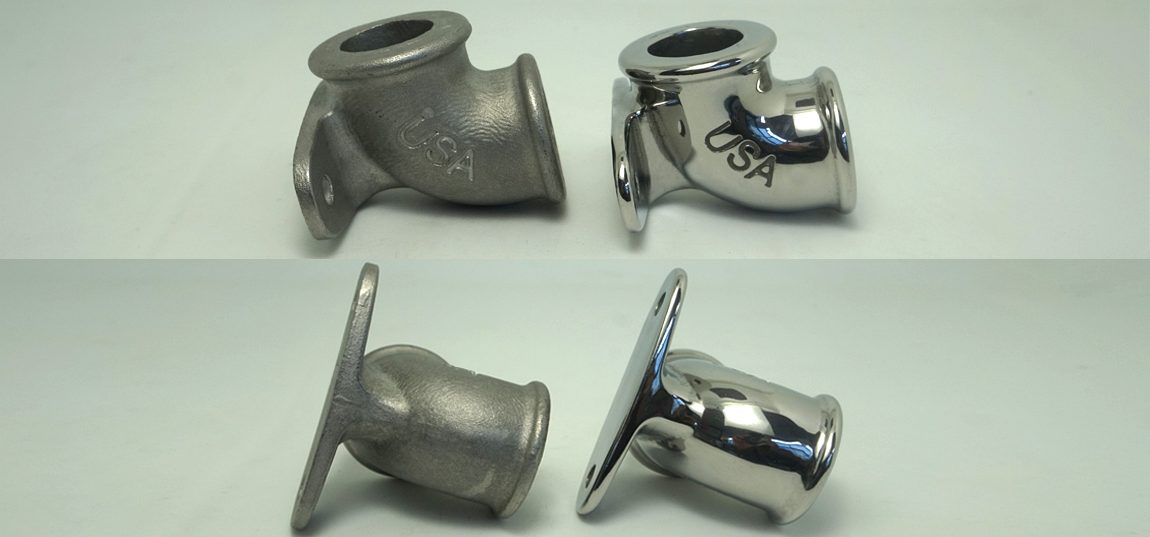
Primero identifica qué significa realmente “sin brillo”
“Sin brillo” puede describir varios problemas de superficie diferentes. Antes de cambiar la máquina o el medio, inspecciona la superficie bajo una luz constante y determina qué defecto estás viendo realmente.
| Síntoma | Causa probable | Qué comprobar | Ajuste recomendado |
|---|---|---|---|
| La superficie es gris y mate | Solo se completó el corte grueso | grado del medio, secuencia del ciclo, rugosidad original | Añadir una etapa de acabado o pulido más fina después del desbaste |
| La superficie tiene arañazos finos visibles | El medio es demasiado grueso o no se han eliminado los arañazos previos | Dirección de los arañazos, abrasividad del medio, tiempo de procesamiento | Usar un medio más fino o prolongar la etapa intermedia de suavizado |
| Las piezas están suaves pero opacas | Residuos de compuesto, agua sucia o enjuague deficiente | Claridad del agua, concentración del compuesto, limpieza del medio | Mejorar el enjuague y usar un compuesto de acabado adecuado para acero inoxidable |
| Los bordes están redondeados pero la superficie sigue opaca | El tiempo de ciclo es demasiado largo en la etapa incorrecta | Radio del borde, geometría de la pieza, secuencia del proceso | Detener el sobreprocesamiento y separar el corte del pulido |
| Algunas piezas están brillantes y otras opacas | Contacto desigual, sobrecarga o anidamiento de piezas | Tamaño del lote, relación pieza-medio, movimiento de las piezas | Reducir la densidad de carga y mejorar el flujo pieza-medio |
Por qué un solo paso de tumbado a menudo no puede crear un acabado brillante
Muchas equipos de producción esperan que un solo ciclo de tumbado elimine rebabas, suavice la textura de fundición, elimine marcas de mecanizado y cree un acabado brillante. Para el acero inoxidable, esto suele ser poco realista. Un medio lo suficientemente agresivo como para eliminar marcas gruesas puede dejar su propio patrón de corte mate. Un medio lo suficientemente suave como para dar brillo a la superficie puede no eliminar eficientemente las rugosidades pesadas.
Por eso el acabado de acero inoxidable suele ser más estable como un proceso por etapas. La primera etapa reduce la rugosidad y las rebabas. La segunda etapa refina la superficie. Una etapa final puede usar medios de pulido, medios de acero o un proceso de bruñido para mejorar el brillo.
Comprobar la superficie inicial antes de elegir el medio
La superficie antes del acabado determina cuánto trabajo debe realizar el proceso. Las piezas de acero inoxidable fundidas, soldadas, estampadas, mecanizadas y forjadas entran al tumbado con diferentes condiciones superficiales.
Si la superficie original es muy rugosa, no se puede lograr un acabado brillante simplemente usando una etapa de pulido suave. Si la superficie original solo tiene marcas ligeras de herramienta, un paso de desbaste demasiado agresivo puede empeorar el acabado en lugar de mejorarlo.
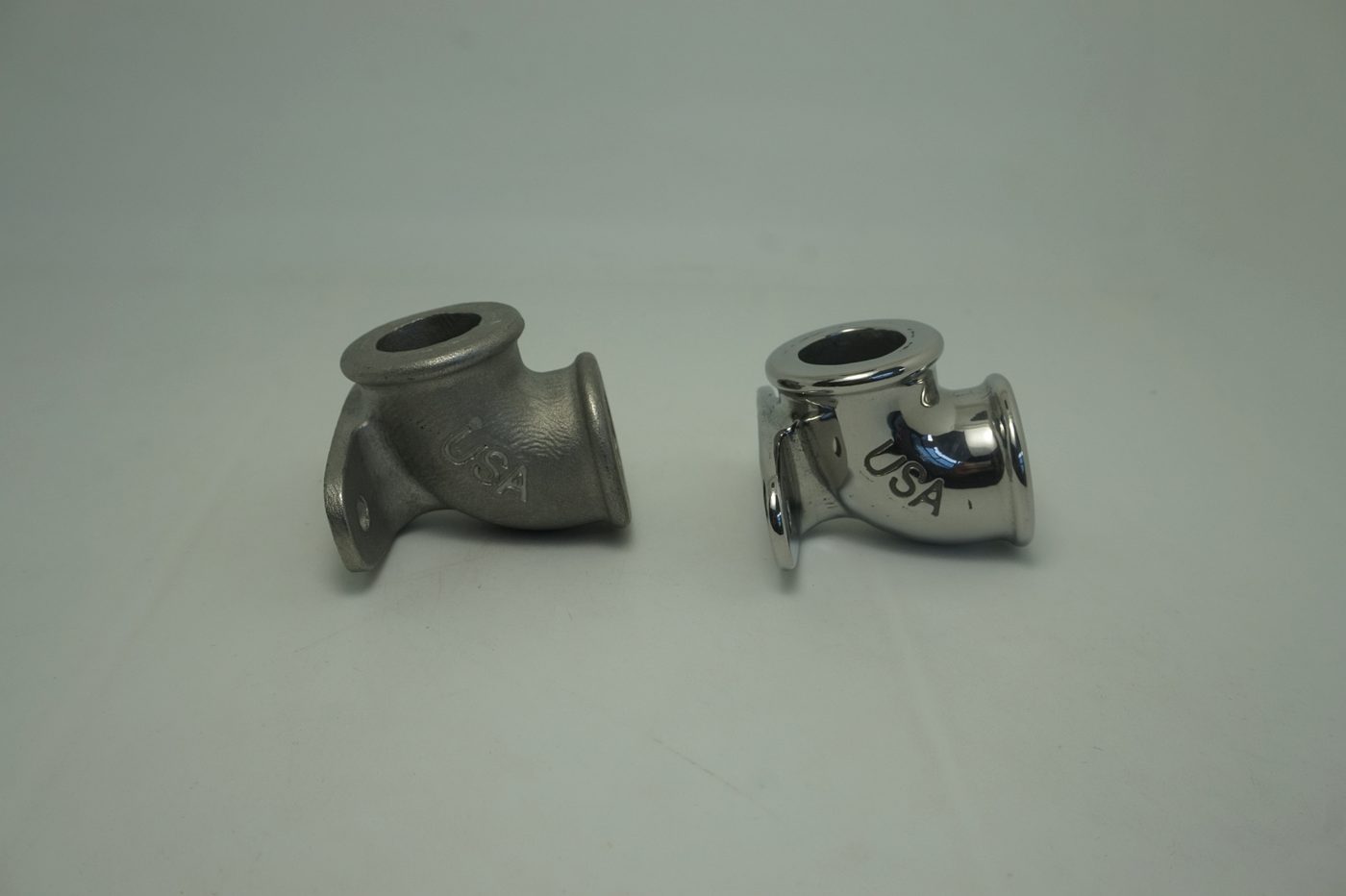
Elegir el medio según la etapa
medios cerámicos se utilizan cuando la pieza necesita corte, desbarbado, suavizado de bordes o reducción de superficies rugosas. Pueden preparar piezas de acero inoxidable para la siguiente etapa, pero por sí solos pueden no crear un aspecto final brillante.
Para un acabado más brillante, el proceso puede necesitar medios más finos, medios de pulido o "medios de acabado de acero" dependiendo de la forma de la pieza y del acabado objetivo. Si la pieza tiene cavidades internas, ranuras o bordes delgados, también debe revisarse la forma y el tamaño del medio para evitar atascos o redondeo excesivo. medios de acabado de acero El compuesto y la calidad del agua pueden ocultar un buen acabado
A veces el resultado del acabado mecánico es aceptable, pero las piezas siguen viéndose opacas porque la superficie está cubierta de residuos.
Los residuos de agua sucia, finos abrasivos, aceite y una concentración incorrecta del compuesto pueden dejar una película gris sobre el acero inoxidable.
A veces el resultado del acabado mecánico es aceptable, pero las piezas siguen viéndose opacas porque la superficie está cubierta de residuos. compuesto de acabado Un compuesto de acabado adecuado ayuda a limpiar la superficie, suspender las partículas eliminadas, controlar la espuma y mejorar el brillo. Si el líquido del proceso se vuelve oscuro rápidamente, o las piezas se vuelven opacas después del secado, revisa el flujo de agua, la dosificación del compuesto, el enjuague y la limpieza del medio antes de cambiar la máquina.
La máquina y la carga también afectan el brillo
Una máquina de acabado vibratorio se usa comúnmente para el acabado por lotes de acero inoxidable porque proporciona un movimiento estable del medio. Sin embargo, el brillo aún puede ser inconsistente si la máquina está sobrecargada o si las piezas se protegen entre sí.
Las piezas largas o pesadas de acero inoxidable pueden requerir un vibrador de cuba para reducir el daño por colisión y mejorar el control del contacto. Las piezas pequeñas de precisión pueden necesitar una configuración diferente si los orificios, roscas o bordes finos son críticos.
Errores comunes que mantienen el acero inoxidable opaco
- Usar una sola etapa de medio grueso y esperar un acabado espejo.
- Extender el tiempo de ciclo hasta redondear los bordes, en lugar de añadir una etapa más fina.
- Ignorar la rugosidad superficial original antes de elegir el medio.
- Usar agua de proceso sucia y luego culpar a los medios abrasivos.
- Omitir el enjuague y el control de secado después del acabado húmedo.
- Sobrecargar la máquina para que las piezas no se muevan libremente a través de los medios abrasivos.
- Elegir el tamaño de los medios abrasivos sin comprobar orificios, ranuras y cavidades internas.
Ruta de prueba práctica para el brillo del acero inoxidable
Para una pieza nueva de acero inoxidable, no comience con un lote de producción completo. Pruebe una pequeña cantidad y registre cada etapa. Una ruta de prueba práctica puede incluir:
- Etapa 1: desbarbado o alisado de superficie con medios de corte adecuados.
- Etapa 2: acabado más fino para reducir el patrón de rayas de la primera etapa.
- Etapa 3: pulido o bruñido para mejorar el brillo.
- Revisión final: enjuagar, secar e inspeccionar bajo iluminación constante antes de evaluar el resultado.
El ajuste final debe confirmarse con piezas de muestra porque el grado de acero inoxidable, la geometría de la pieza, las soldaduras, la textura de la fundición y el brillo objetivo afectan el proceso.
Soluciones relacionadas
Si está mejorando el brillo de la superficie del acero inoxidable, estas páginas pueden ayudarle a comparar máquinas, medios y consumibles de proceso adecuados:
 +86-592-2381506


 Compatible con red IPv6